Accessoires IBC 1000 litres
 Couvertures Chauffantes

 Raccords Plomberie
 Bidons / Futs et raccords
 Semences
 Produits Phyto

 Jardin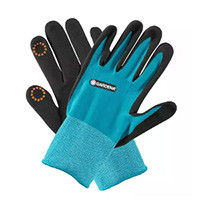

 Espaces Verts

 Barbecue - Braséro - Cheminée
 Entretien
 Fluides & Climatisation

 Arrosage

Successful Herb Garden: Seedling and Growing Guide 2026
Imagine: a sunny late afternoon, you're preparing a tomato salad or a fresh tabbouleh, and all you have to do is reach out to pick a few plump basil leaves or a sprig of Moroccan mint. Aromatics are an affordable luxury for any gardener. Easy to grow, they require little space but offer an immense sensory return on investment. However, between basil's need for warmth and parsley's greediness, there are technical subtleties to master this March. From choosing the right seeds Vilmorin to setting up a dedicated vegetable patch, Multitanks will help you create your own flavour bar at home.
The Basil King: Which variety for your recipes?
Basil (Ocimum basilicum) is undoubtedly the most popular herb, but it's also the most temperamental. It hates the cold, the wind and watering its foliage. For success, start your seedlings indoors in March, in a bright, warm spot (20°C minimum).
At Multitanks, we offer a rare diversity of flavors. For an authentic pesto, Basil Genovese Bio is the purist's choice, with its large, fragrant leaves. If you're short on space, Basil Pistou forms small, compact balls perfect for pots. For a touch of originality in your desserts or teas, Lemon Basil adds an incredible zesty note. Finally, for lovers of southern traditions, Basil Marseillais and Grand Vert are sure-fire values for their productivity and resistance.
Parsley and Chives: the pillars of the garden
Unlike basil, parsley and chives are hardy plants that can remain in place for several years. Parsley has a reputation for taking a long time to germinate ("it goes to hell seven times before it comes out", as the ancients used to say). The trick is to soak the seeds 24 hours before sowing.
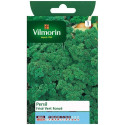
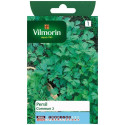
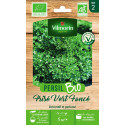
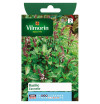
Organic Giant Italian Parsley is preferred for its intense flavor and tall stems. Organic Curly Parsley (often available 50% free) is ideal for decorating dishes. On the chive side, Danish Very Fine Chives (also available in organic versions) are a must: their mauve flowers are edible and their chopped stems will liven up any omelette or yoghurt sauce.
Mint and Coriander: Controlling travelers
Mint is a wonderful but invasive plant. Its roots (rhizomes) run underground and can quickly colonize your entire vegetable garden. Pro tip? Grow mint in individual pots, even if you then bury it in your vegetable patch.
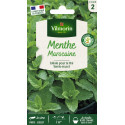
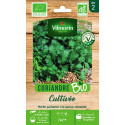
Moroccan Mint is perfect for teas and grills, while Peppermint is more powerful, ideal for therapeutic infusions or cocktails. Organic Coriander, on the other hand, is more delicate: it quickly goes to seed in hot weather. Sow in small patches every 3 weeks for all summer long.
Installation and maintenance: technical expertise
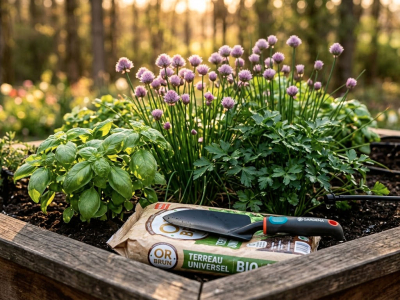
Aromatics hate having their feet in water, but love fresh soil. For your pots and vegetable patches, it's essential to use a rich potting soil like Universal Potting Soil Or Brun. Its natural fertility ensures rapid growth of foliage, where essential oils are concentrated.
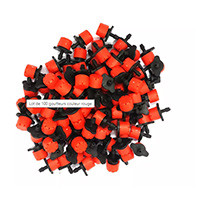
Use your transplanter Gardena to handle fragile clumps without breaking the roots. The secret to aromatic plants that don't wilt in July? Micro-irrigation. Basil, in particular, reacts very badly to water shock. Regular watering at the base, without wetting the leaves, will prevent powdery mildew and wilting. In a vegetable patch, a simple porous hose or micro-drippers work wonders for foliage density.
Tip from Multitanks: To keep your herbs bushy, don't just pick leaves. Pinch off the tops of the stems. This forces the plant to branch out and prevents premature seed set, which makes the leaves more bitter.
Conclusion
Growing your own aromatic herbs is a simple gesture that radically changes your cooking and your relationship with nature. By choosing organic varieties Vilmorin and planting with the right tools, you're giving yourself an inexhaustible source of flavour. March is the month of departure: sow your basil in the warmth now, prepare your vegetable patch for parsley and chives, and get ready for a fragrant summer!
Which herb is right for your favorite dish?
Share this content