



 Accessoires IBC 1000 litres
 Couvertures Chauffantes
 Raccords Plomberie
 Bidons / Futs et raccords
 Semences





 Produits Phyto


 Jardin




 Espaces Verts

 Barbecue - Braséro - Cheminée

 Entretien

 Fluides & Climatisation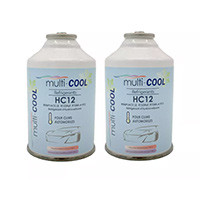
 Arrosage
CFC (chlorofluorocarbons) and HFC (hydrochlorofluorocarbons) air conditioning gases have long been used in air conditioning systems in motor vehicles and buildings, but they have been gradually replaced by hydrocarbon air conditioning gases due to their impact on the environment.
CFC air conditioning gases were first used in the 1930s and quickly replaced previous air conditioning gases due to their low cost and efficiency. However, it was later discovered that CFCs have a negative impact on the ozone layer due to their ability to break down ozone molecules. CFCs have also been recognized as very potent greenhouse gases. Because of these concerns, the use of CFCs was banned in many countries in the 1990s under the Montreal Convention on Substances that Deplete the Ozone Layer.
HFC air conditioning gases were then used to replace CFCs in air conditioning systems. HFCs are considered more environmentally friendly than CFCs because they do not contribute to the degradation of the ozone layer. However, HFCs have also been recognized as very potent greenhouse gases. As a result of these concerns, many countries have adopted measures to reduce the use of HFCs in air-conditioning systems.
Hydrocarbon air conditioning gases, such as propane (R290) and isobutane (R600a), which make up natural refrigerants Duracool and Multicool have become a popular alternative to CFCs and HFCs. The benefits of these gases include:
Low Global Warming Potential (GWP): Hydrocarbon air conditioning gases have a much lower GWP than CFC and HFC air conditioning gases, meaning they have a smaller impact on climate change.
Non-toxic: Hydrocarbon air conditioning gases are considered non-toxic, unlike CFC air conditioning gases which are hazardous to human health and the environment.
Ease of storage and transport: Hydrocarbon air conditioning gases have a relatively low vapour pressure, making them easier to store and transport than CFC air conditioning gases
Use: CFC and HFC air conditioning gases can no longer be used in motor vehicle air conditioning systems in some countries because of their environmental impact, while hydrocarbon gases are increasingly used in these systems.
It is important to note that these hydrocarbon gases should not be used in all types of equipment and it is important to ensure that they are compatible with your vehicle's air conditioning system before using them.