Accessoires IBC 1000 litres
 Couvertures Chauffantes
 Raccords Plomberie
 Bidons / Futs et raccords
 Semences
 Produits Phyto
 Jardin
 Espaces Verts
 Barbecue - Braséro - Cheminée
 Entretien
 Fluides & Climatisation
 Arrosage


World's Fastest Online Shopping Destination
Of which €0.02 eco-tax
 Safety guarantees100% secure payment
 Shipping PolicyResponsive and attentive after-sales service
 Returns PolicyFast and secure delivery
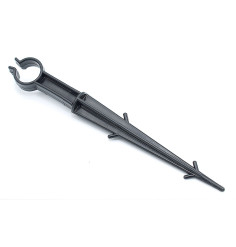
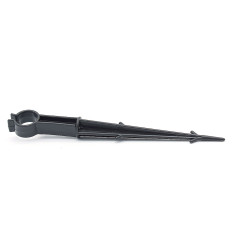
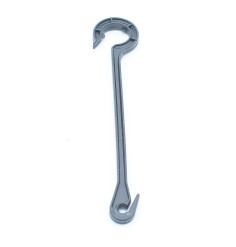
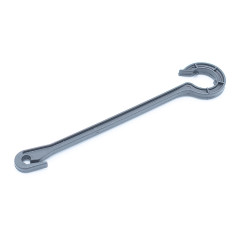
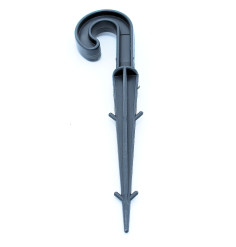
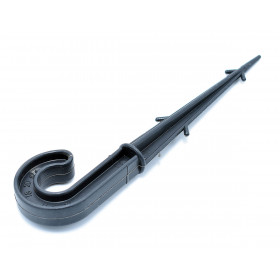
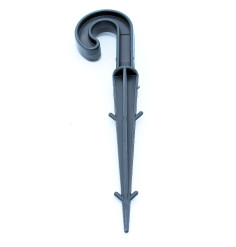
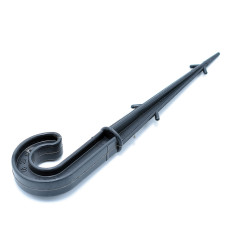
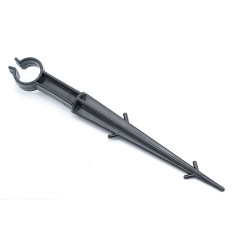
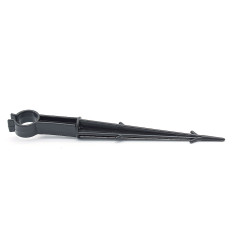
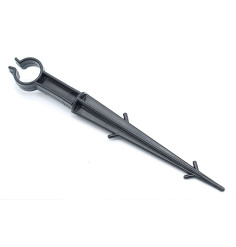
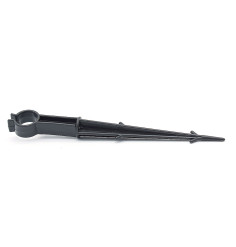
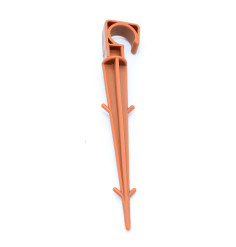
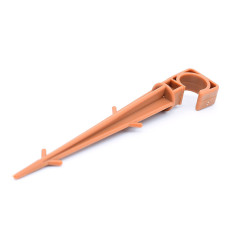
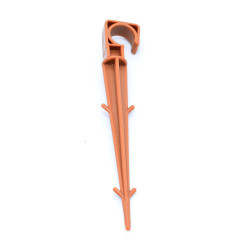
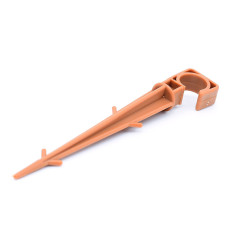
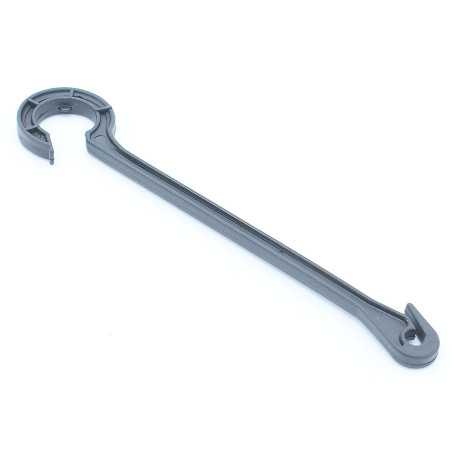
Suspension hook for 16mm micro irrigation hose (Reference: 2412) - This technical accessory by Abrisa represents the professional solution for maintaining and directing your micro irrigation systems with precision. Specifically designed for 16mm diameter hoses, it ensures a clean and functional installation for all your automated irrigation projects.
The Abrisa suspension hook meets the needs of micro irrigation contractors who require secure maintenance of their irrigation networks. Perfectly suited for greenhouse cultivation, nursery installations and technical gardens, it enables optimal overhead irrigation for plants requiring controlled hydration. Horticulture professionals use it to create suspended irrigation lines, thus avoiding hose contact with soil and reducing contamination risks.
Advanced amateur gardeners also find this hook an ally for structuring their automatic irrigation systems. It proves particularly effective for vertical gardens, terrace gardens and aquaponic installations where space management and irrigation precision are crucial.
Made from High Density Polyethylene (HDPE), this hook benefits from exceptional resistance to environmental stresses. HDPE offers superior UV resistance, ensuring optimal durability even under intense solar exposure. Its dense molecular structure provides excellent resistance to thermal shocks and temperature variations, essential characteristics for outdoor applications.
Perfect compatibility with standard 16mm market hoses facilitates integration into all types of existing installations. The hook''s ergonomic profile ensures firm hold without excessive hose compression, thus preserving water flow and pressure. The smooth HDPE surface prevents calcium deposit accumulation and facilitates regular maintenance.
The Abrisa hook installation is performed quickly thanks to its intuitive design. For optimal fixing, position the hook at regular intervals of 80 to 120 cm according to your installation configuration. Use stainless steel screws or rivets suitable for the support (wood, metal, PVC) to ensure lasting hold.
During assembly, ensure to orient the hook opening downward to facilitate hose insertion and removal during maintenance operations. The ergonomic shape allows smooth 16mm hose insertion without forcing, preserving wall integrity. For temporary installations, the hook can be fixed on removable supports, offering usage flexibility appreciated in seasonal cultivation.
Maintenance is limited to periodic cleaning with clear water to eliminate plant or mineral residues. HDPE chemical resistance allows the use of mild disinfectant agents if necessary.
To maximize your installation efficiency, combine these hooks with self-regulating drippers or micro-sprinklers according to your specific needs. Hose elevation allows better hydraulic pressure distribution across the entire circuit, thus optimizing irrigation uniformity.
Professionals recommend using these hooks in association with multi-zone irrigation timers to create differentiated irrigation zones. This approach allows adapting irrigation cycles to specific needs of each crop or garden zone.
Technical tip: for greenhouse installations, position hooks at a height allowing easy passage under irrigation lines while maintaining optimal distance from crops. Avoid overly pronounced hose curves that could create pressure losses and affect system performance.
During winter periods, HDPE frost resistance allows leaving hooks in place, but ensure complete hose drainage to avoid ruptures due to residual water freezing.
| Details | Specifications |
|---|---|
| Product reference | 2412 |
| Brand | Abrisa |
| Material | High Density Polyethylene (HDPE) |
| Hose compatibility | 16mm diameter |
| Installation type | Screw or rivet fixing |
| UV resistance | Very high resistance |
| Operating temperature | -20°C to +60°C |
| Main application | Overhead micro irrigation |
| Usage sector | Professional and residential |
| Maintenance | Clear water cleaning |
Cuves, citernes et récupération d'eau