Accessoires IBC 1000 litres

 Couvertures Chauffantes

 Raccords Plomberie
 Bidons / Futs et raccords
 Semences
 Produits Phyto
 Jardin
 Espaces Verts

 Barbecue - Braséro - Cheminée
 Entretien
 Fluides & Climatisation
 Arrosage


Olive Tree Diseases: Complete Guide to Protect Your Trees Naturally
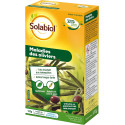
Olive trees, true treasures of the Mediterranean, are now cultivated well beyond their original terroirs. However, these ancient trees face numerous diseases that can compromise their health and productivity. In 2026, gardeners and olive growers are increasingly seeking natural and environmentally friendly solutions. Discover how to effectively protect your olive trees with natural treatments and good cultural practices, particularly with the Solabiol range available at Multitanks.
MAIN OLIVE TREE DISEASES
The olive tree, despite its reputation for resistance, can be affected by several pathologies. Olive scab, caused by the fungus Fusicladium oleagineum, manifests as brown spots on leaves and fruits. This disease thrives in humid conditions and can significantly reduce harvest quality.
Downy mildew also represents a serious threat, particularly during humid spring periods. Symptoms include whitish down under the leaves and progressive yellowing of the foliage. Without appropriate treatment, this disease can considerably weaken the tree.
Bacterial infections, notably caused by Pseudomonas savastanoi, cause tumor formation on branches and trunk. These growths disrupt sap circulation and can compromise the general vitality of the olive tree.
NATURAL PROTECTION APPROACH
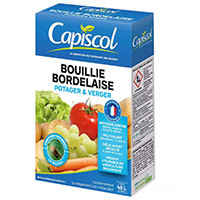
Natural protection of olive trees relies on a holistic approach that prioritizes prevention and the use of environmentally friendly products. Copper-based treatments, such as cuprous oxide used in Solabiol formulations, offer effective protection while being approved for organic agriculture.
Modern micronization technology allows better adhesion of the treatment to leaves and increased resistance to weather. This innovation guarantees optimal coverage of vegetation, including the underside of leaves often neglected but crucial for complete protection.
The advantage of natural solutions lies in their ability to respect the surrounding ecosystem while maintaining effectiveness comparable to traditional chemical treatments. This approach fits perfectly with sustainable and responsible gardening practices.
Natural treatments offer extended protection over time, reducing application frequency and minimizing environmental impact.
Natural formulations preserve beneficial auxiliaries in the garden and maintain the ecological balance necessary for olive tree health.
Natural treatments allow obtaining superior quality olives, without chemical residues, ideal for consumption and processing.
APPLICATION TECHNIQUES AND DOSAGE
The effectiveness of a natural treatment largely depends on its proper application. Customized dosage constitutes one of the major advantages of modern solutions, allowing precise adaptation of concentration according to the health status of your olive trees and the intensity of the attack.
Spray mixture preparation must follow a precise protocol: start by filling the sprayer halfway, add the precisely measured product, then complete with water while stirring regularly. This method guarantees a homogeneous solution essential for treatment effectiveness.
Application must cover all vegetation, paying particular attention to both sides of the leaves. Weather conditions play a crucial role: avoid windy periods or the hottest hours of the day to optimize adhesion and reduce evaporation.
PREVENTION AND GOOD CULTURAL PRACTICES
Prevention remains the best strategy to keep your olive trees healthy. Regular maintenance including aerated pruning promotes air circulation and reduces humidity conducive to the development of fungal diseases.
Irrigation management is of paramount importance. A micro-irrigation system allows water to be delivered directly to the roots without wetting the foliage, thus reducing contamination risks. Avoiding stagnant moisture on leaves constitutes an essential preventive measure.
Location choice also influences the health of your olive trees. A sunny exposure with good natural air circulation creates conditions unfavorable to pathogen development. Adequate spacing between trees also contributes to this beneficial aeration.
ENVIRONMENTAL MANAGEMENT AND SAFETY
Responsible use of natural treatments involves respecting strict environmental precautions. Water source protection constitutes an absolute priority: avoid any treatment on slopes likely to carry the product to watercourses, ponds or wells.
The sensitivity of certain olive varieties to copper requires particular vigilance. A preliminary test on a few branches allows checking tolerance before general application. This precaution avoids phytotoxicity risks that could damage your trees.
Waste and packaging management is part of an eco-responsible approach. Sprayer residues and washing water must never be poured into sinks or gutters. Proper storage in the original container, in a dry and cool place, ensures optimal product conservation.
Multitanks Expert Advice: To maximize the effectiveness of your natural treatments, integrate them into a comprehensive phytosanitary program including regular monitoring of your olive trees. Keep a logbook noting application dates, weather conditions and health status evolution. This methodical approach will allow you to optimize your interventions and anticipate future problems.
SEASONAL TREATMENT CALENDAR
The effectiveness of natural treatments largely depends on their synchronization with the olive trees' vegetative cycle. In spring, during bud break, a preventive treatment strengthens the tree's natural defenses before the critical growth period.
Summer requires increased vigilance, particularly after storms that create favorable conditions for infections. Curative treatments must intervene quickly at the first appearance of symptoms to limit pathogen spread.
Autumn marks a winter preparation period where a final treatment can strengthen olive trees' resistance to harsh winter conditions. This late application also protects against latent infections that could develop during winter.
INTEGRATION INTO A SUSTAINABLE ECOSYSTEM
Natural protection of olive trees is part of a global vision of the garden as a balanced ecosystem. Encouraging functional biodiversity through companion plant establishment and habitat creation for auxiliaries naturally contributes to regulating pest and pathogen populations.
Using organic amendments and compost improves soil structure and strengthens olive trees' natural immunity. Living and balanced soil constitutes the foundation of sustainable and productive olive cultivation.
This holistic approach, combined with targeted natural treatments, guarantees effective protection while preserving the environment for future generations. The olive tree, symbol of peace and permanence, deserves this respectful attention to its natural ecosystem.
🌿 Health Diagnosis of Your Olive Trees
Answer the questions to get personalized advice:
1. Do you observe spots on your olive tree leaves?
Share this content